Massachusetts Community Health & Healthy Aging Funds Grant MAFSC and local food policy councils receive grant to focus on community-driven policy change that promotes equitable food access and health equity The Massachusetts Food System Collaborative, in partnership with local food policy councils, has been selected as a 2026 awardee of the Massachusetts Community Health [...]
Categories
Featured posts
Massachusetts Community Health & Healthy Aging Funds Grant
Massachusetts Community Health & Healthy Aging Funds Grant
MAFSC and local food policy councils receive grant to focus on community-driven policy change that promotes equitable food access and health equity
The Massachusetts Food System Collaborative, in partnership with local food policy councils, has been selected as a 2026 awardee of the Massachusetts Community Health & Healthy Aging Funds. The Funds, administered through a partnership between the Massachusetts Department of Public Health, the Executive Office of Aging & Independence, and Health Resources in Action, awarded more than $17.1 million to 30 organizations and their partners across the Commonwealth.
The Massachusetts Food System Collaborative and local food policy councils will use this investment to strengthen statewide capacity to facilitate community-driven PSE change that promotes food access and health equity.
Amidst sweeping cuts to federal food assistance programs, the pervasive impacts of structural racism, and corporate consolidation and extractive practices keeping grocery prices high and purchasing power low, people are struggling to access the food they need. Residents across Massachusetts continue to face significant barriers to accessing affordable, healthy, and culturally relevant food, and they are often excluded from policy and decision making; this results in a disconnect between the existing food system and what communities want and need.
There are more than 20 active local food policy councils and food system coalitions in Massachusetts that participate in the Local Food Policy Council network. Through capacity building and coordination among this network, this funding will build community power to address this disconnect, and strengthen our collective voice to advocate for healthy food policy statewide. We will implement 3 interconnected activities:
- Storytelling/Community Leadership Projects: Four LFPC’s in Springfield, Worcester, Lowell, and Boston will continue community-led narrative change and community organizing efforts, building power in their local communities and acting as learning hubs within the LFPC network.
- LFPC Network Capacity Building: The full LFPC network will engage in skill building and action projects related to storytelling, narrative change, and community engagement and organizing.
- Coordinated State and Local Organizing and Advocacy: We will coordinate state and local advocacy campaigns, powered by community voice, to advance equitable food access.
This initiative intentionally invests in the network of local food policy councils and food access coalitions across Massachusetts and seeks to strengthen systems for collaboration, coordination, and shared learning to more effectively use our collective voice and assets for future systems change work. Together, we aim to build stronger pathways for community leadership in policy-making, shifting to more community-driven solutions to address inequitable food access.
The Massachusetts Community Health and Healthy Aging Funds were created in January 2017 when DPH completed a landmark revision of its Determination of Need (DoN) regulation, which authorized the creation of these Funds. DPH provides overall guidance to the Funds and Health Resources in Action, Inc. acts as a fiduciary and implementing partner. The Massachusetts Executive Office of Aging & Independence (AGE) partners with DPH to support the Healthy Aging Fund.
More information about the Funds can be found at https://mahealthfunds.org/
2026 MA Food System Forum
About the Forum
Please join us for the 2026 Massachusetts Food System Forum on November 19, 2026!
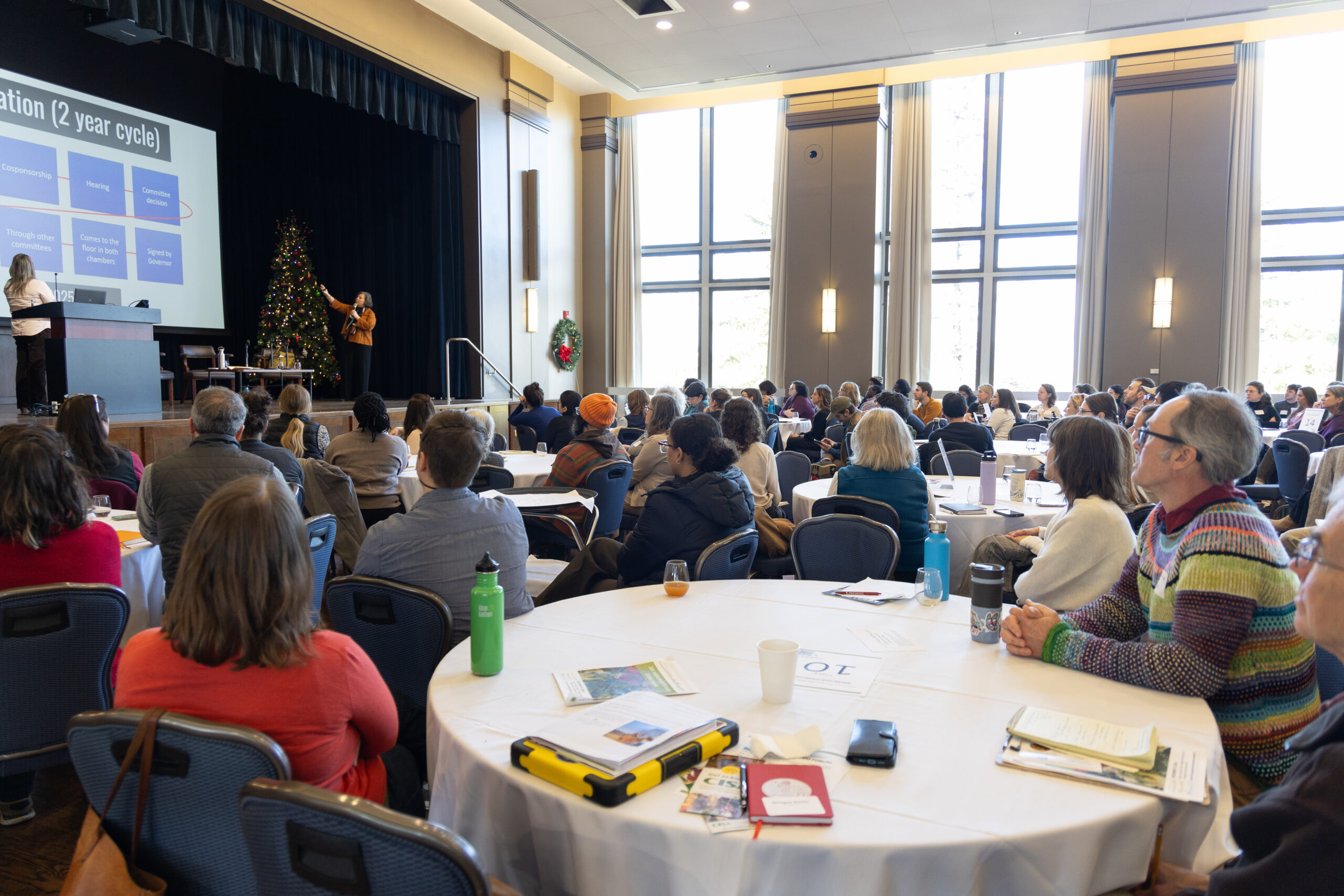
As we approach the 2027-2028 legislative session, we will use this unique annual gathering opportunity as a space to dig into ongoing progress & challenges, and consider how to advance our shared priorities through policy & systems change in the coming years. Sessions will feature in depth discussion and group strategizing. Anticipated topics include:
- Farmland Protection, Access, and Succession
- Local Food & Food Security
- Furthering Agricultural Climate Resilience and Viability
- Food System Education & Youth Development
- Food Waste Prevention & Reduction
See additional details below.
Tickets
If you would like to make a donation to support the Forum, please donate here.
Tickets & Registration
Early Bird Tickets: $100 per ticket (until October 6, 2026)
Your ticket fee includes a locally sourced breakfast and lunch.
Sponsorships
The Collaborative appreciates our growing list of sponsors of the 2026 Forum including many who have consistently supported the event every year!
We are still recruiting sponsors to ensure that everyone who wants to come to the Forum can come without the ticket cost being a barrier. Interested in making a difference and exploring sponsorship? Email Kristina@mafoodsystem.org.
Headlining Sponsor
Sponsors






Agenda Information
These details are subject to change. Updates will be made here as the event approaches.
Event Start: 8:00 AM (check-in, breakfast, networking)
Program Begins: 9:00 AM
Event End: 4:00 PM
Breakout Session Topics
Farmland Protection, Access, and Succession
Farms are integral to food production; therefore preserving land for agricultural use remains a top priority for the food system. This year, Massachusetts celebrated the 1000th farm property preserved through the state’s first in the nation Agricultural Preservation Restriction (APR) program, with more than 75,000 acres of farmland preserved through the APR program alone. While this milestone is one to be celebrated, there is more work to be done, as thousands of acres of farmland have been lost during the same time period. MDAR, NRCS, the land trust community, municipalities, dedicated landowners and funders have been working hard to preserve farmland for decades, and thousands of acres preserved through other conservation programs. This track will explore farmland protection, access, and succession.Local Food and Food Security
Despite significant investments over the last decade, a number of persistent barriers and federal cuts mean that rates of food insecurity have increased and remain distressingly high across Massachusetts. This track will explore approaches to reducing hunger and strengthening food security with a focus on access to local food. In the morning we will review progress related to nutrition assistance programs, urban agriculture/local food production, food security infrastructure, and the role of local food policy councils. In the afternoon, we will identify next steps to reduce hunger in MA through strengthened local food systems.Furthering Agricultural Climate Resilience
The climate crisis continues to deeply affect local agricultural production, with disparate impacts across the Commonwealth, from floods, droughts, and urban heat island intensification. The morning session will explore how the local food system movement has won attention for resilience in our agricultural system over the last ten years. This includes the establishment of disaster relief programming, soil health policy, and successful organizing around bond funding. The afternoon session will explore next steps to increase support for new areas in climate resilience.Food System Education and Youth Development
Some students learn about the food system in school but many do not have access to high quality food system education. This track will explore how food system education and youth development can prepare the next generation to navigate and contribute to the Massachusetts food system. The morning session will highlight current initiatives and successes related to food literacy and youth development, while the afternoon session will explore opportunities to strengthen career pathways, expand food system education, and support the next generation of food system leaders.Food Waste Prevention & Reduction
Massachusetts is more than ten years into implementation of the organic waste ban, has expanded food rescue capacity across the state, and has seen creative approaches to preventing wasted food. However, there is still work to be done to achieve the state’s goal of 30% reduction of food waste by 2030 and strive towards zero waste. In the morning we will assess progress across multiple areas of food waste prevention & reduction including the waste ban, food rescue, composting, and school & household food waste reduction. We will consider what challenges and gaps persist for waste prevention and reduction/diversion. In the afternoon we will build on these conversations, identifying promising pathways to further prevent and reduce food waste in Massachusetts.Farmer food donation tax credit passed into law – now what?
In June 2026, Governor Healey signed a fiscal year 2026 supplemental budget into law that included a three-year, refundable, up to $5,000 tax credit for farmers and aquaculture producers who donate excess crops to hunger relief nonprofits. This is thanks to the hard work of Representative Hannah Kane and Senator Comerford, who have advocated for this policy for many years in the Legislature. A refundable tax credit is a credit you can get as a refund even if you don’t owe any tax. This credit can be applied on tax years that end starting on December 31, 2026 -2028.Please note: Massachusetts Department of Revenue’s Rulings and Regulations Bureau is currently developing regulations to implement this tax credit. There will be a public hearing and comments period. We will update this page with more information when we receive it.Producers should keep a record of the following to qualify for this credit:- The nonprofit’s name
- The donation date
- How much food was donated (in lbs)
- The fair market value of the donation
We will be monitoring the implementation of this credit closely, and advocating for its extension so it does not end in three years.