Advocate

Call to action: Support the FARM Bill’s next step!

Please email your state representative (template here) to ask them to support the FARM bill’s passage in the House. Please let Becca know which rep(s) you have reached out to.

Please also reach out to your state representative to ask them to support important food system programs like HIP, food literacy, local food policy council grants, and MDAR’s administrative capacity in the fiscal year 2027 budget!

Calls to action for the environmental bond bill (to be debated in the Senate) and Fiscal Year 2027 annual budget (to be debated in the House) will be sent separately later this month.

Collaborate

Hiring a Policy Specialist

The Collaborative is excited to announce we are hiring a policy specialist! You can find the job description here. The Policy Specialist will research and prepare information that will help inform MAFSC’s policy strategy and expand our capacity to advocate for a sustainable, equitable, and resilient local food system. In this role, the policy specialist will help set the organization’s state legislative priorities and develop municipal policy positions and resources. If you have questions, please reach out to Kristina.

State Legislative update

Many pieces of legislation are moving! The Collaborative assisted with Local Food Purchase Assistance Lobby Day on March 5. LFPA food system nonprofit organizations held a briefing for legislators and staff on the impacts of the federal program, and the need for state funding to continue this important work after the federal administration cut the program in spring 2025 and Congress debates the Farm Bill.

The Collaborative also advocated for our priority bills at Agriculture Day on March 11. It was great to see many familiar faces in Boston on that day!

A refundable, up to $5,000 annual, tax credit for farm businesses who donate excess food to hunger relief nonprofits is moving forward! This policy has been introduced by Representative Hannah Kane and Senator Jo Comerford for several sessions, and was included in a Fiscal Year 2026 supplemental budget that was introduced by Governor Healey, passed the House in March, and is included in the Senate Ways and Means supplemental budget proposal that will be debated and passed on April 9. Remember, a conference committee will likely need to be formed to work out any differences between these budgets before they are sent back to the Governor for her signature, but the tax credit is moving forward! We will ask for our partners’ help in getting the word out about this credit when and if it becomes law.

On April 1, the Senate unanimously passed An Act Fostering Agricultural Resilience in Massachusetts! Many thanks to Senator Comerford for championing this bill for the past several sessions, you can listen to her speech on the floor here. Additional speeches in support were made by Senate Ways and Means Chair Rodrigues and Senate Committee on Agriculture and Fisheries Chair Fernandes (read his thoughts on the bill here!). The final amended bill includes a number of Collaborative priorities; codifying HIP and FSIG in law, vacant lots to farms bill, next generation farmer fund, agritourism definition, development of an agricultural land registry, calling for MEMA to include the food system in emergency planning, and more. Several amendments were adopted that added a ban on rollback taxes if PFAS is discovered on agricultural land, property tax relief for agricultural buildings, including DMF in MEMA’s food system planning efforts, creating a food tourism task force, and a study on agricultural schools. Note, the bill still needs to be passed by the House, and any changes between the House and Senate proposals will have to be resolved by a conference committee before the bill is sent to the Governor for her signature, so please follow the steps in the above call to action to support this bill! Read the Editorial Board of the Boston Globe in support of the bill here.

Federal update

Local food system businesses: is your work being affected by the war with Iran? Farmers: are you changing your crop or distribution business models, including farmers market attendance, this season? Food hubs, are you having to change or streamline delivery routes? School districts, are you seeing fuel delivery charge on invoices? Please respond to this newsletter with your experiences.

Network updates

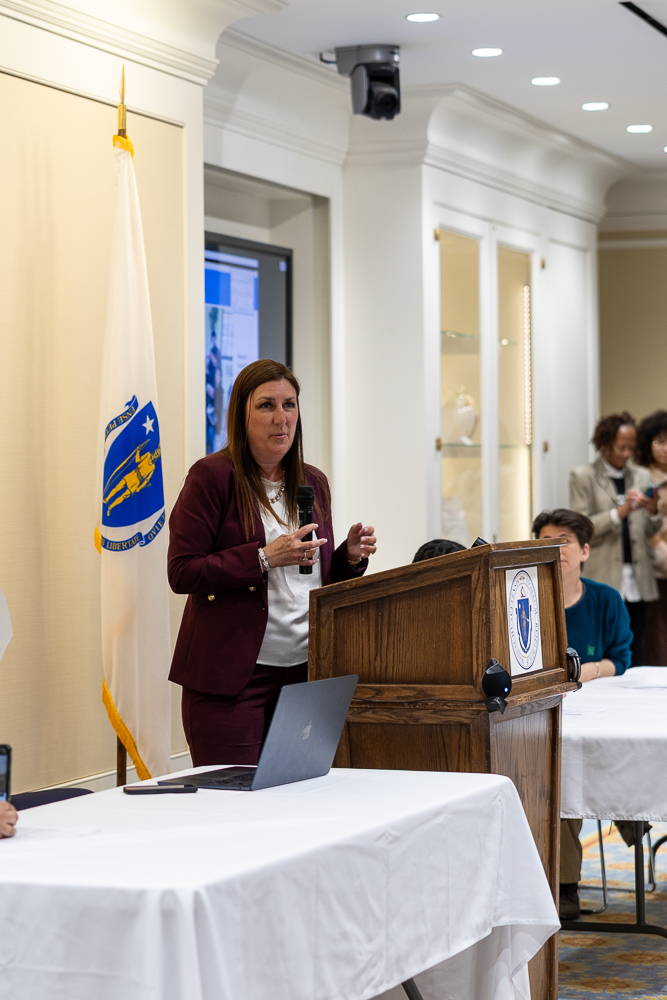
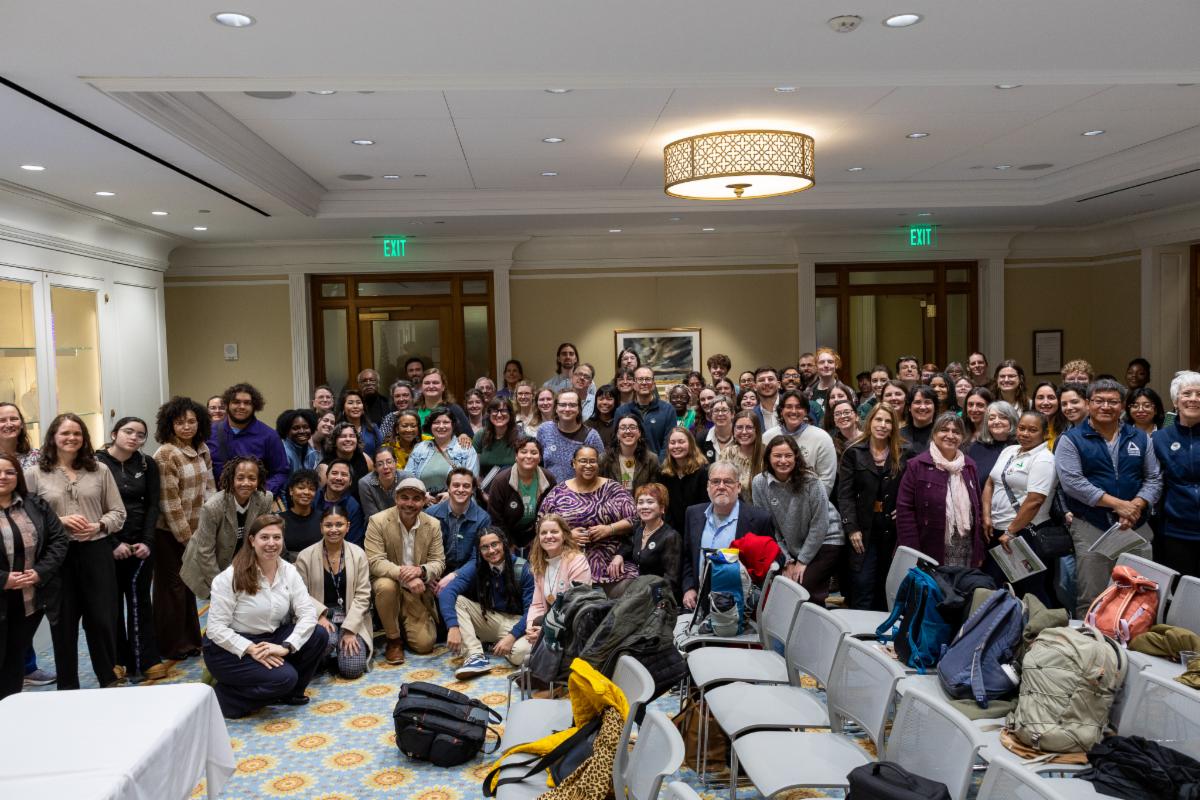
The Campaign for HIP Funding held the annual HIP Lobby Day on March 26 to advocate for $29.7 million for HIP in the fiscal year 2027 budget, and the passage of the HIP enabling bill. The briefing for legislators and staff, held in partnership with the Legislature’s Food System Caucus, was standing room only. Farmers Meg Bantle, co-owner of Full Well Farm, and Dave Dumaresq, owner of Farmer Dave’s, spoke about the impact of HIP on their farms, and Nalee Yang spoke passionately about the need to fully fund HIP so more farmers like her can join. Youth leaders Alan Long and Judah Cacique shared incredible stories of their work and experience with HIP outreach. Purple Reign spoke about her experience as a HIP shopper and community organizer in Boston, and Dr. Snehal Shah, a pediatrician at Boston Children’s Hospital, spoke about the importance of HIP to her clients. Representatives Mindy Domb and Hannah Kane spoke about the importance of HIP to public health, economic development, and as a triple-win. You can watch the recording of the briefing featuring these amazing speakers here. The coalition (pictured above) met with all 200 legislators offices, and thanked the Governor’s staff for their support of HIP in her FY27 proposal. Many thanks to our partners for traveling to Boston to advocate for HIP! The next Campaign meeting is April 8 at 10am.

The Campaign for Food Literacy’s next meeting is April 14 at 4pm. Please join us to discuss progress of policy & budget priorities and opportunities for continued advocacy

The Urban Agriculture Network met in March and discussed season preparation including both administrative tasks and bed preparation. We meet next on April 30 at 1pm.

The Local Food Policy Councils Network meets next on April 9 at 10am.

The Food Waste Reduction Network met in March. MassDEP shared context about the proposal for a potential expanded food waste disposal ban, and then we had small group discussions to provide feedback and uplift questions for consideration as they continue to consider this shift.

To sign up for the listserv for any of these networks to receive further updates, please request to join at the following links or reach out to Emily Fidanza.

The Agricultural Advocacy Coalition will meet next on April 16 at 11am to discuss FARM bill and environmental bond bill strategy.

NEFNE Local Food Count

Don’t miss out! The 2025 Local Food Count survey is open only through April 30. The New England Local Food Count measures local food consumption across the region. An estimated 90% of the food we eat is imported from outside the region and this puts Massachusetts in a vulnerable position, making us reliant on distant food producers and suppliers to feed our residents. This brief survey asks for local food purchases and aggregate sales. All responses are anonymous and aggregated by the research team. MDAR and other government entities will not have access to individual responses.

Reach out to Morgan with any questions.

Celebrate

Public Servant of the Month: Bonita Oehlke, MDAR

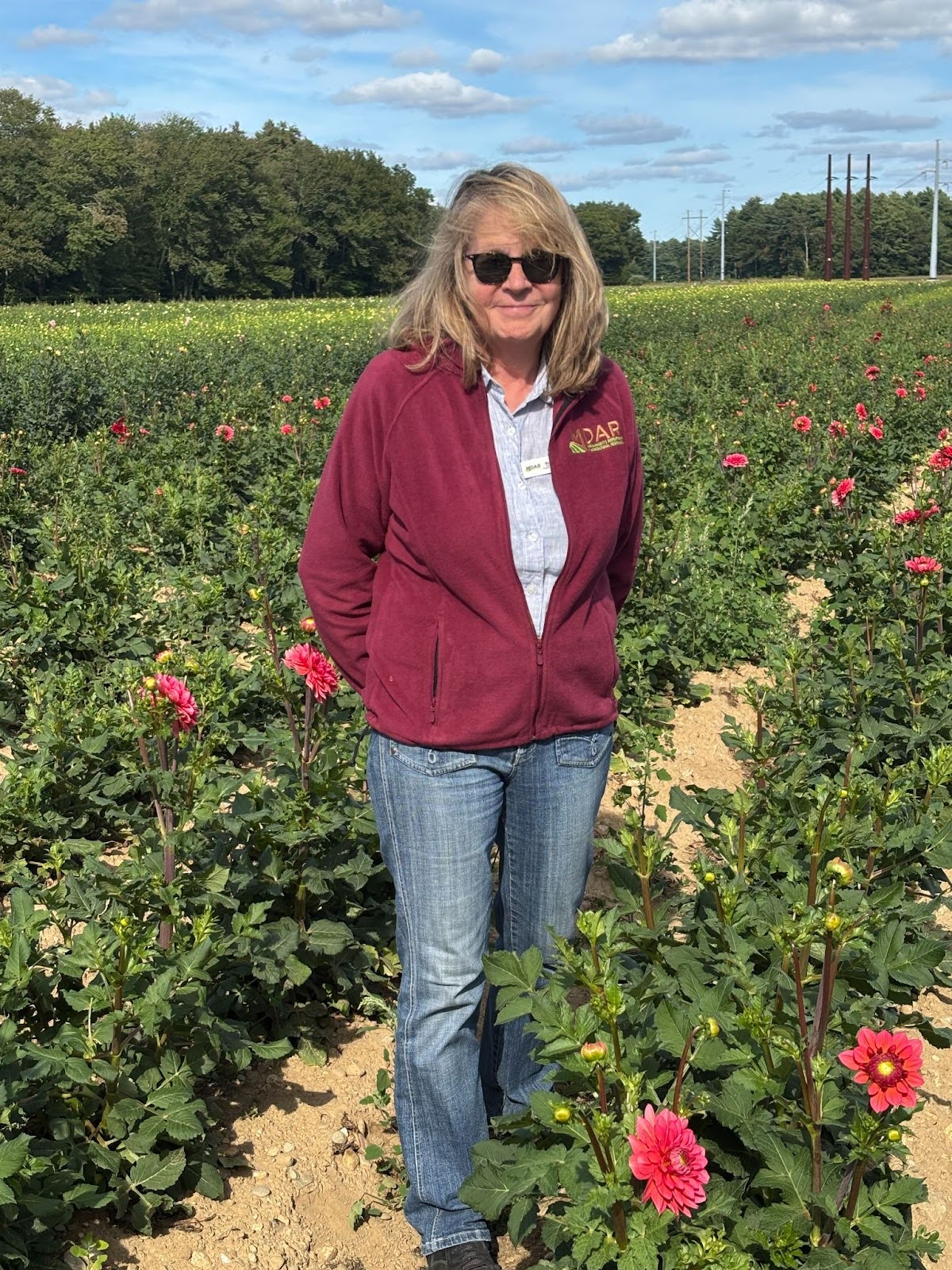
Bonita manages the Local Food Policy Council grant program, complimentary to her work to coordinate the Massachusetts Food Policy Council. The state Council’s meetings are public, and the next is being held virtually on May 8, starting at 9:30am. Bonita is MDAR’s liaison to New England Feeding New England, a regional group working to increase local food consumption. NEFNE is currently focus on the Local Food Count, to track regional food sourcing for a more resilient regional food system. Bonita’s work began in the development of the Massachusetts farmers market coupon program, a gratifying experience to understand the impact of working in state government. On the market development side, she works with growers looking to add value via processing and food entrepreneurs starting new businesses. Her work with USDA FAS programs and services leverages resources for small-medium sized food and seafood businesses to access international markets. The variety of work highlights how deeply the food system is interconnected.

Interested in connecting with Bonita? Reach out to her at Bonita.Oehlke@mass.gov or 617.910.7960

Interested in being featured in our monthly newsletter? Please fill out this form!

Discover

New Locally sourced Food is Medicine report

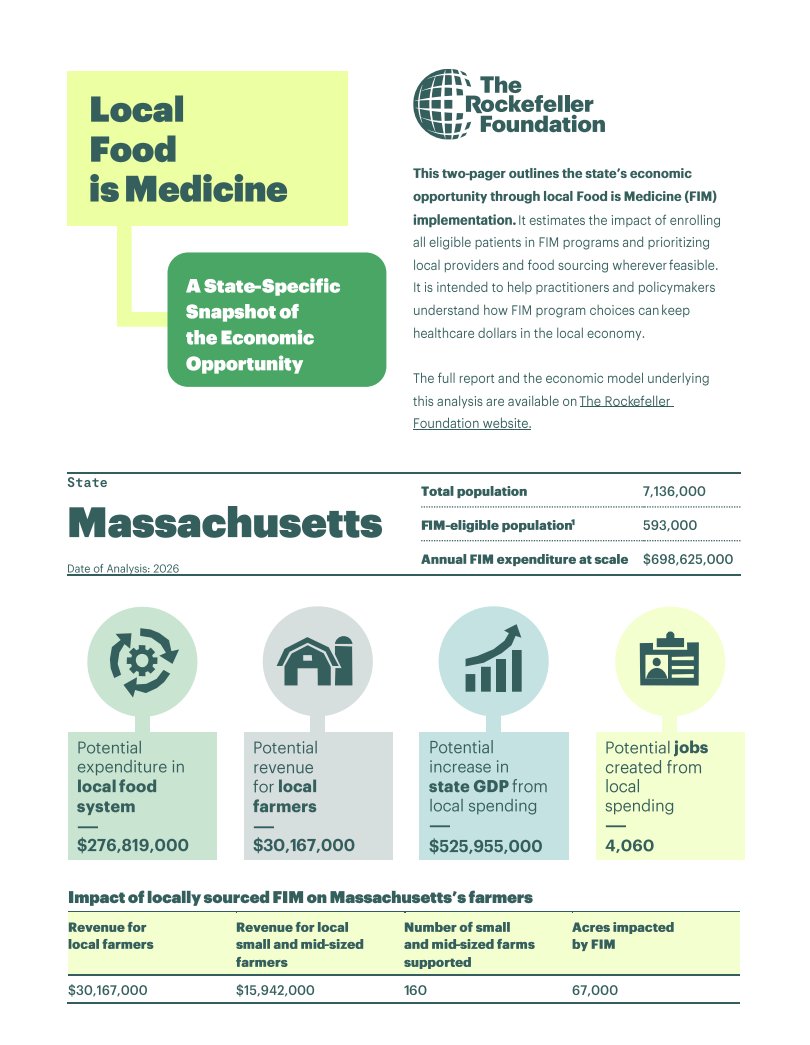
Last month, the Rockefeller Foundation released a report titled “From Farm to Food is Medicine” that explores the economic opportunity for states that intentionally prioritize local food sourcing and locally owned “Food is Medicine” (FIM) providers. The report unsurprisingly found that prioritizing local food sourcing supports local farms, food business, creates jobs and strengthens the state economy. Specifically, when states issue guidelines that localize FIM according to the state’s capacity, the nation benefits; the report found “$45B+ in annual GDP growth, 316,000 new jobs supported by FIM supply chains, [and] $5.6B in annual revenue for small and mid-sized family farms.” The report also highlights value beyond economics when sourcing local food for FIM including strengthening community, enhancing food system resilience, and supporting farmers’ investment in adapting to climate-resilient practices. The report recommends policies include intentionally embedding local sourcing preferences into FIM policies, providing incentives and/or reimbursement for local sourcing, and providing public and private investment for food system infrastructure and capacity building. Massachusetts’ 1115 waiver supports local producers like Just Roots, and this report is an important resource to continue to build that program’s success. Access the whole report here and the state-specific snapshot of Massachusetts here.

Share It