Advocate Prepare to contact senators about food system budget priorities! An action alert for the Senate budget debate will be sent separately early next week. The Massachusetts FARM Bill is still in play - please use this toolkit to reach out to your state representative to ask them to support the state FARM bill! [...]
Categories
Featured posts
HIP farmers and vendors pen urgent letter to the editor of the Boston Globe
The Collaborative organized with HIP farmers and vendors to write this letter to the editor of The Boston Globe, which was published on April 9, 2025.
The full list of farmers and vendors that signed on to this letter is:
Meg Bantle, Full Well Farm, Adams
Liz Green, Three Sisters Garden Project, Ipswich
Lisa Evans, We Grow Microgreens, Boston
Robert Patterson, North Adams Farmers Market, North Adams
Jessica Vecchia, Roots Rising & the Pittsfield Farmers Market, Pittsfield
Chris Kurth, Siena Farms, Sudbury
Rachel Gillis, Cape Abilities Farm, Dennis
Emily Chiara, Just Roots, Greenfield
Michael Zayas, Eastie Farm, Boston
Ryan Voiland, Red Fire Farm, Montague and Granby
Fran, Max, Allison, and Taylor Busa, Busa Farms, Lincoln
Elena Colman, Small Farm, Stow
Dee Elliot, Elliot Farm, Lakeville
James DiMaio, Hunt Rd Berry Farm, West Brookfield
Steve Marcelin, Roslindale Village Farmers Market, Boston
Lizz Wilson, Holmestead Harvest, Whitman
Toria Harr, Humble Hands Farm, East Taunton
Lisa Foppema, Foppema’s Farm, Northbridge
Sean O’Brien, Somerville Mobile Farmers Market, Somerville
Chuck Wilkins, Gary’s Farmstand Too, Townsend
Bianca and Scott, Freitas Farm, Middleborough
Liza Bemis, Hutchins Farm, Concord
Valerie Souza, Souza Family Farm, Rehoboth
Meghan Hastings and Dave Kaskeski, Dave’s Natural Garden, Granby
Ayn Yeagle, Growing Places, Leominster
Carrie Novak, Partridgeville Farm, Templeton
Kathleen H DeVarennes, Lee Farmers Market, Lee
Richard & Rita Warren, River Street Gardens, Marshfield
Hannah and Ben Wolbach, Skinny Dip Farm, Westport
Aoma Muma, Bombeta Farms, Lancaster
Laura Raney Farm and Abel Clark, Silverwood Organic Farm, Sherborn
Paul Lagrèze, New England Wild Edibles, Heath
Mohammed Hannan, Hannan Healthy Foods, Lincoln
Katharine Chandler, Meadowbrook Orchards, Sterling
Sarah and Jim Schultz, Red Shirt Farm, Lanesborough
Nicole Mckinstry, McKinstry Market Garden, Inc., Chicopee
Jeff Kingsbury, Kingsbury Farms, South Deerfield
David Harper, Harpers Farm and Garden, Lancaster
Jody Jess, Buckhill Homestead Farm, Westminster
Natalia Bond, My County Mushrooms, Gardner
Brittany Terry, David Fisher and Magdalena Toran, Natural Roots Farm, Conway
Linda Fuchs, Flourish Farm, Brimfield
Riley Gilroy, Go Fresh Mobile Market, Springfield
Mai Yang Lee, Mai Asian Vegetables, Lakeville
Danielle Andrews, Boston Farms Manager, The Food Project, Boston Farms
Evan O’Neal, Food Access & Education Manager, The Food Project, Dudley and Ashmont Farmers Markets
Hazel Kiefer, Lynn Farms Manager, The Food Project, Lynn Farms
Gray Lawson, Food Access & Education Manager, The Food Project, Lynn Farmers Market
Chuck Currie, Freedom Food Farm, Raynham
Sheryl Vaillette, Local Food Works, North Central Mass.
Helen Kahn, Grow Food Northampton Farmers Markets, Northampton
Kelly Hickey, Atlas Farm Store, South Deerfield
Lisa Zlody, Westfield Farmers Market, Westfield
Ali Jacobs and Courtney McSparron, Mill City Grows, Lowell
Marlene Stasinos, Chris’ Farm Stand, Haverhill and Peabody
Veronica Palladino, Church Green Farmers Market, Taunton
Kim Miczek, Breezy Garden Farm, Leicester
Pete Lowy, Codman Community Farm, Lincoln
Stephen Violette, Dick’s Market Garden, Inc., Lunenburg
Kelsey Briggs, East Boston Farmers’ Market, East Boston
Alice Colman, Stony Hill Farm, Wilbraham
Laura Smith, Lane Gardens and Oakdale Farms, Dighton, Rehoboth, Seekonk
Carol Collord, Medway Community Farm, Medway
Gary Wilkins, Riverdale Farm, Groton
Kate and Jude, The Neighborhood Farm, Westport
Steve Fischer, REC, Worcester Farmers Markets and Mobile Farmers Markets, Worcester
Jen and Katie Barbeau, Mountain Girl Farm, North Adams
March 2025 Newsletter
February 2025 Newsletter
Editor’s pick

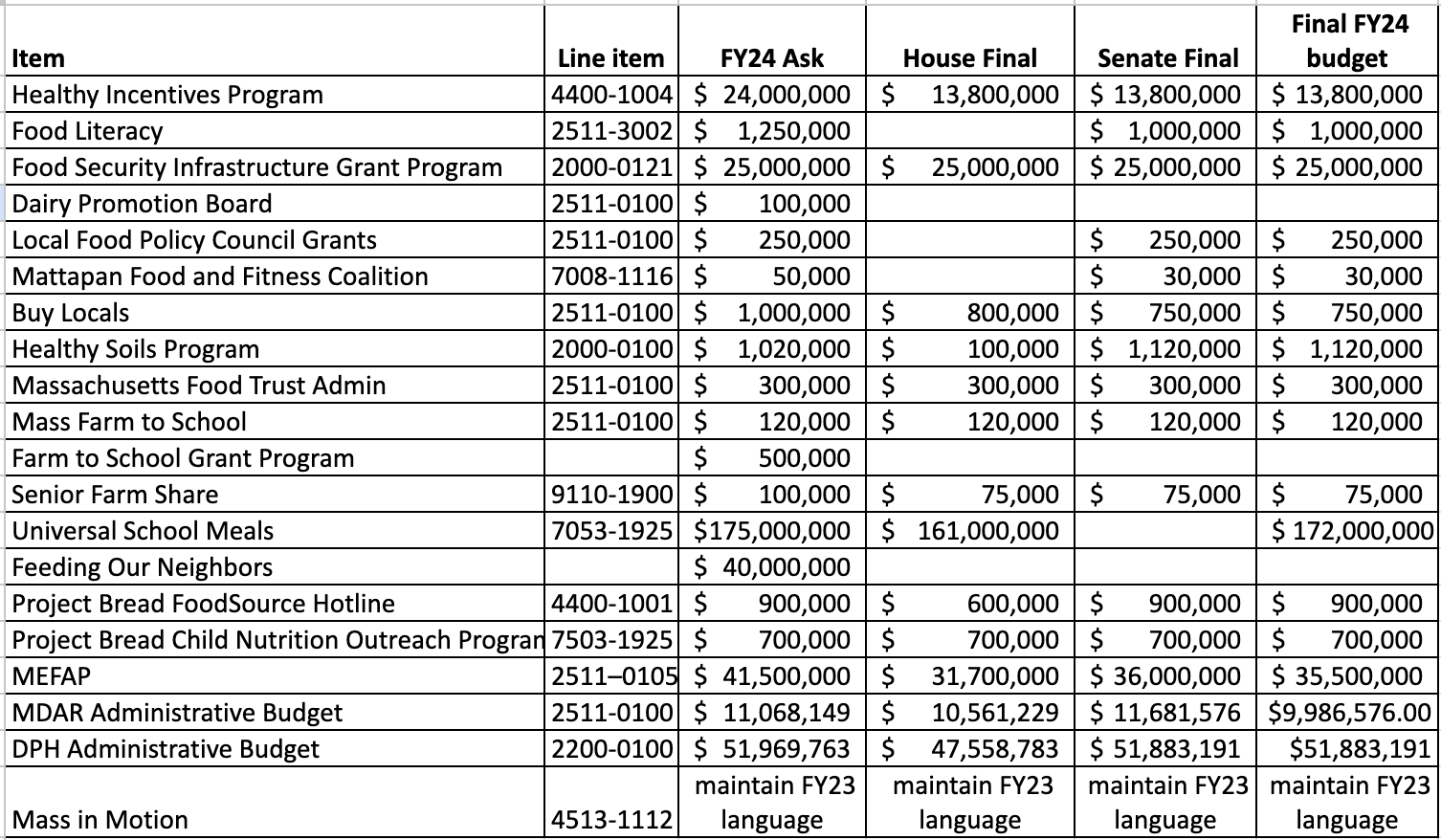
The fiscal year 2024 budget has been signed by Governor [...]

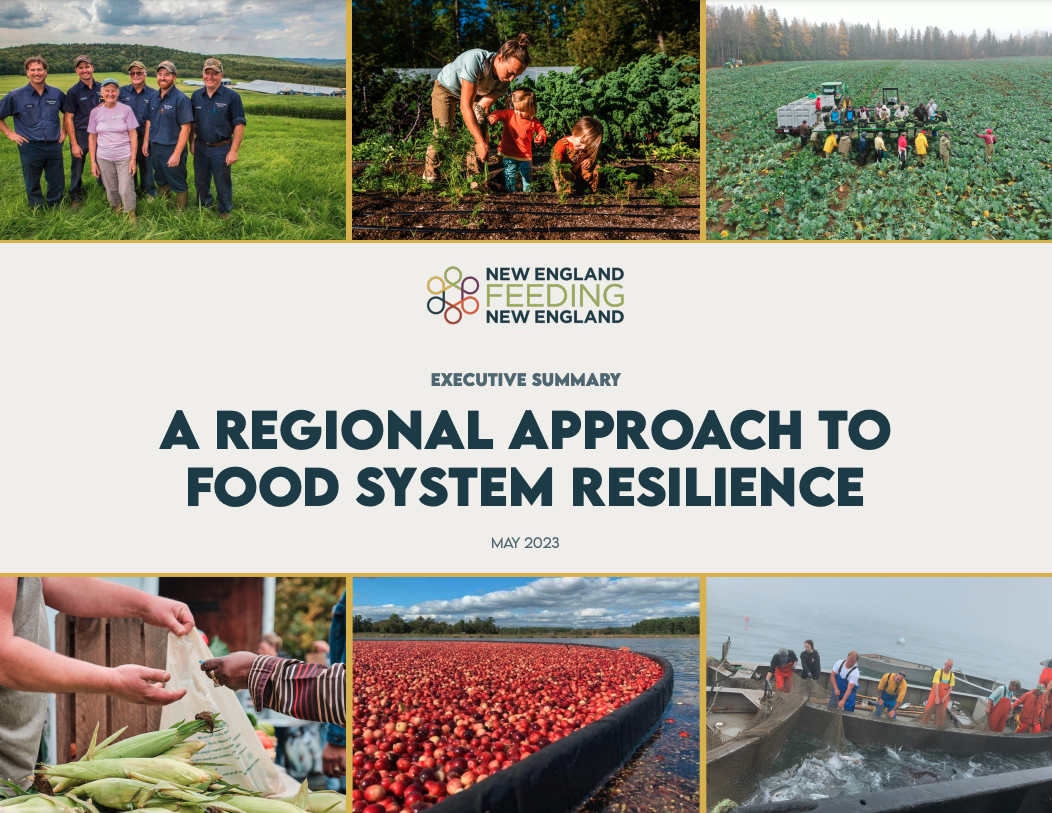
A new report puts forth a regional goal of producing [...]

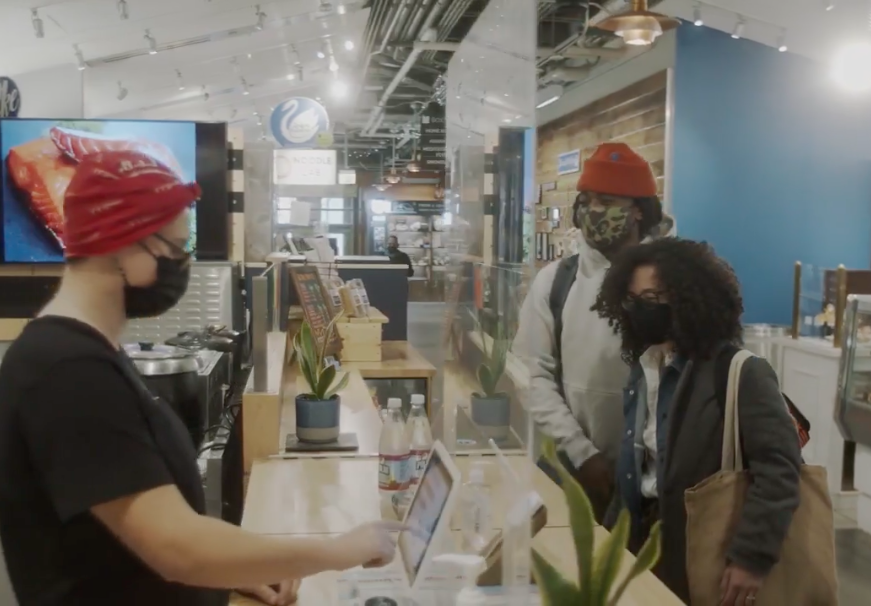
The Boston Public Market was founded in 2015 and has [...]