In the late evening of June 30, 2026, the fiscal year 2027 budget conference committee report was released. This budget proposal was passed by the House and Senate on July 1, and was signed into law by the Governor on July 9, 2026 with no vetos or changes. The Collaborative appreciates the leadership of [...]
Categories
Featured posts
Senate passes FARM bill
On April 1, the Senate unanimously passed An Act Fostering Agricultural Resilience in Massachusetts! Many thanks to Senator Comerford for championing this bill for the past several sessions, you can listen to her speech on the floor here. Additional speeches in support were made by Senate Ways and Means Chair Rodrigues and Senate Committee on Agriculture and Fisheries Chair Fernandes (read his thoughts on the bill here!).
The final amended bill includes a number of Collaborative priorities; codifying HIP and FSIG in law, vacant lots to farms bill, next generation farmer fund, agritourism definition, development of an agricultural land registry, calling for MEMA to include the food system in emergency planning, and more.
Several amendments were adopted that added a ban on rollback taxes if PFAS is discovered on agricultural land, property tax relief for agricultural buildings, including DMF in MEMA’s food system planning efforts, creating a food tourism task force, and a study on agricultural schools.
Next, the bill still needs to be passed by the House, and any changes between the House and Senate proposals will have to be resolved by a conference committee before the bill is sent to the Governor for her signature, so please follow the steps in the above call to action to support this bill! Read the Editorial Board of the Boston Globe in support of the bill here.
March 2026 Newsletter
Advocate

Reach out to your state representative and senator with budget requests!
Now is the time to raise the importance of full funding for food system programs to your legislators. Not sure who your legislators are? Find them here. For more information on the annual budget, check out this resource.
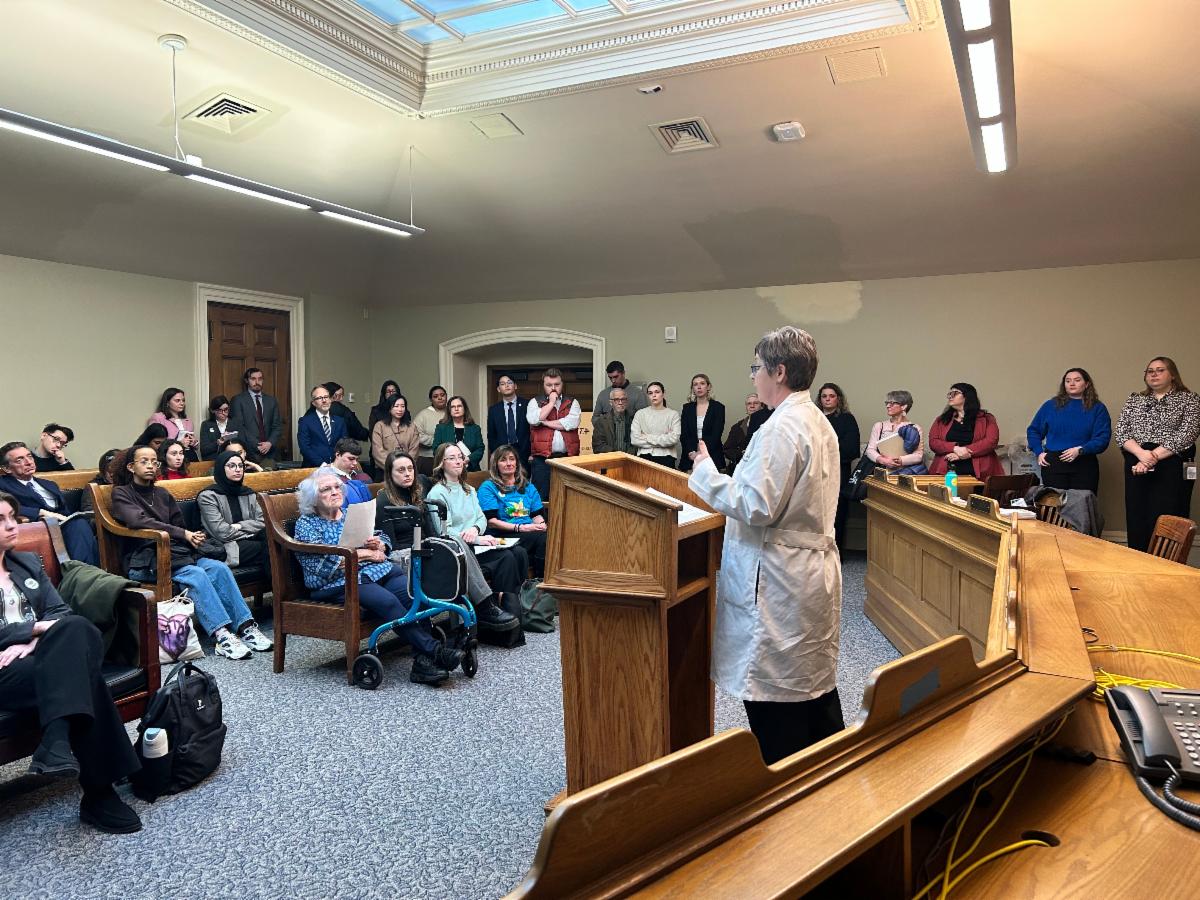
Join us at an upcoming lobby day at the State House!
Lobby Days are an important opportunity to raise the profile of the local food system and make your story heard on Beacon Hill! No advocacy experience necessary, training will be provided to first-time advocates.
- March 5 – Local Food Purchasing Assistance. RSVP here.
- March 26 – Campaign for HIP Funding. RSVP here.
Collaborate
State Legislative update Many thanks to our statewide food system advocacy partners for hosting a Fiscal Year 2027 budget briefing with us on February 25. More than 125 people attended the session, and we hope you will join us in advocating for these programs during this budget cycle! You can view the slides here and the recording here.
The legislature’s Joint Ways and Means Committee is holding a series of hearings on the Governor’s Fiscal Year 2027 Budget proposal this month – see a calendar here. These hearings are not for public testimony, these are an opportunity for the Administration’s Secretaries and commissioners to share more about the proposal the Governor has introduced. The Joint Ways and Means Committee will have one hybrid hearing for public testimony, on a date to be announced.
Congratulations to Representative Norman Orrall, (R – 12th Bristol), who is now a Co-Chair of the Legislature’s Food System Caucus! Rep. Orrall is knowledgable about agriculture; he operates a small farm business growing vegetables for the wholesale market. He is also currently appointed by the Speaker of the House to the Cranberry Station Board of Oversight. We appreciate the Caucus’ partnership in advancing food system policy.
Network updates The Campaign for HIP Funding will meet next on Wednesday, March 4 for lobby day planning and brainstorming.
The Campaign for Food Literacy – Campaign Meetings are scheduled for the first Tuesday at 4pm in alternating months of 2026 (Feb, Apr, June, Aug, Oct, Dec). Sign up for the listserv to receive updates.
The Urban Agriculture Network met on Thursday February 26 at 1pm and discussed volunteer management and engagement, and civic engagement through urban agriculture. Sign up for the listserv to receive updates.
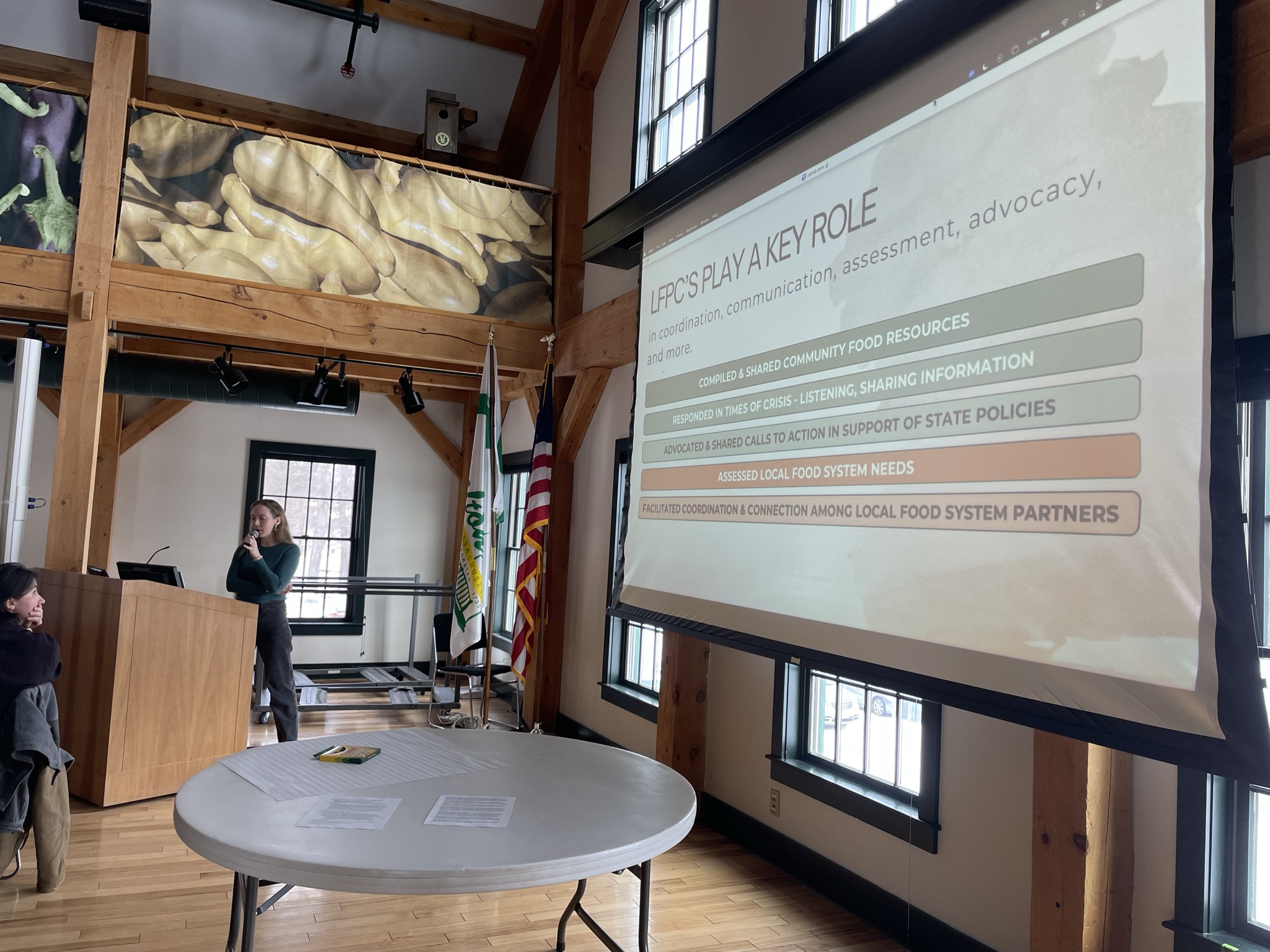
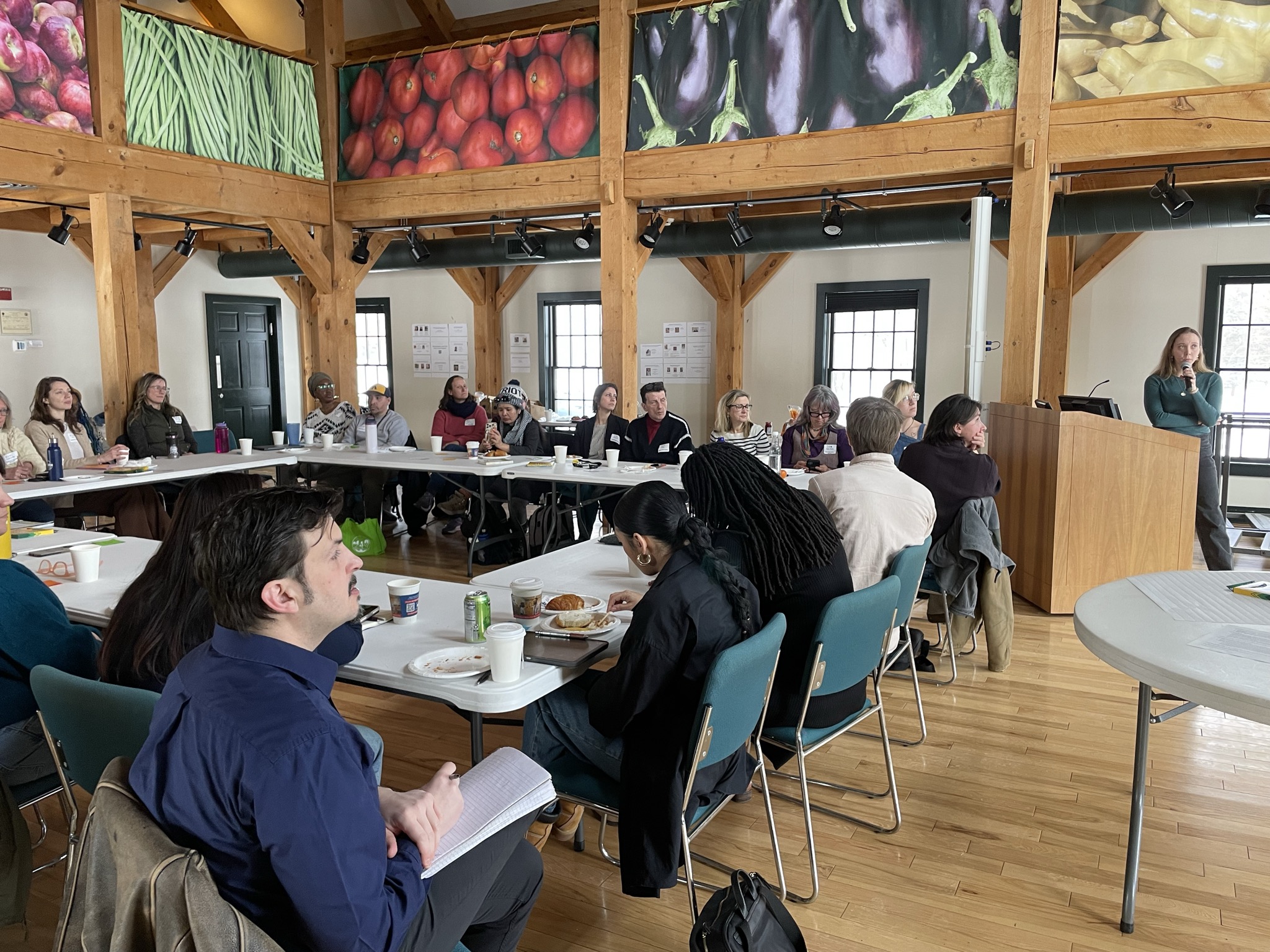
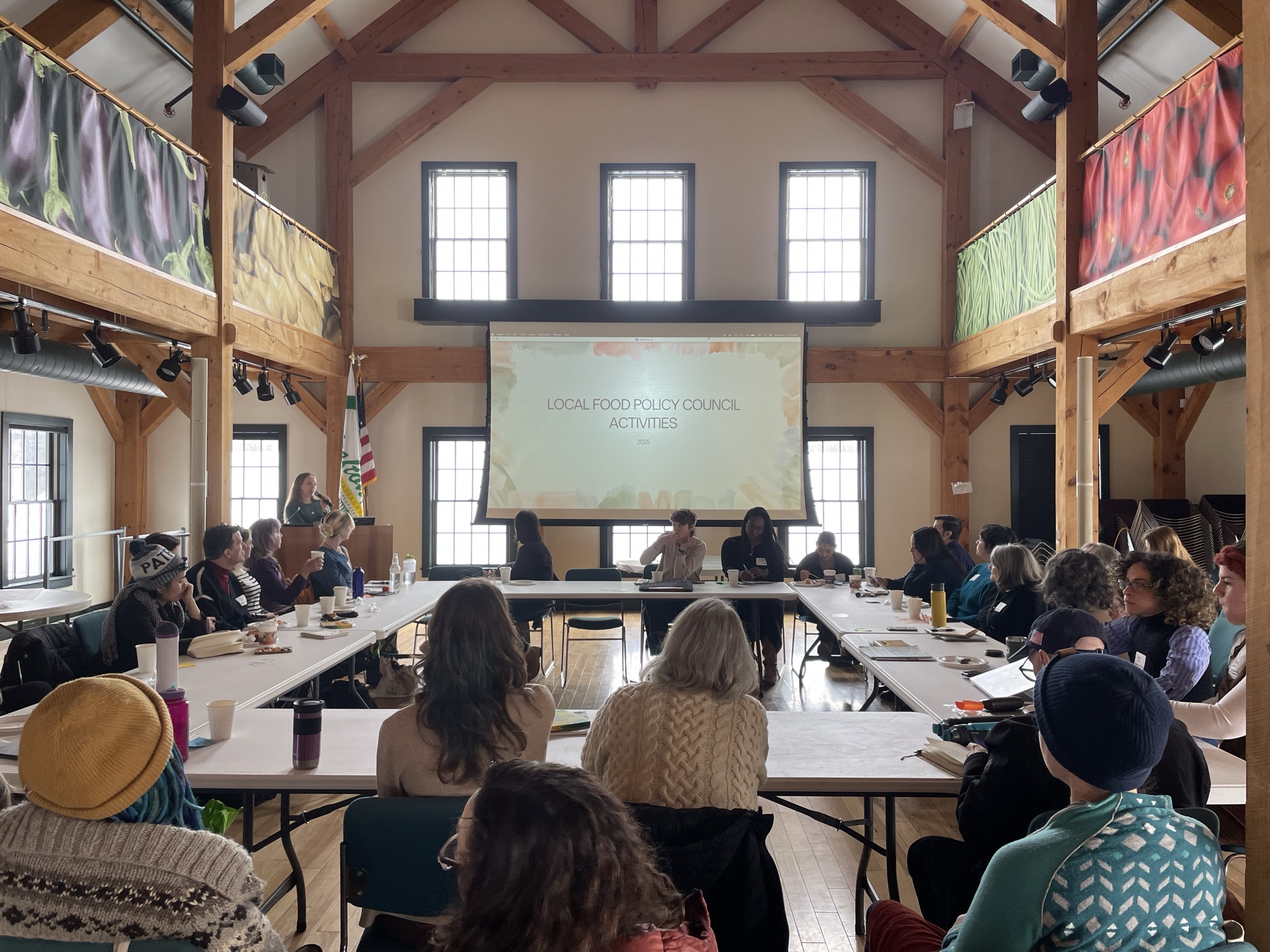
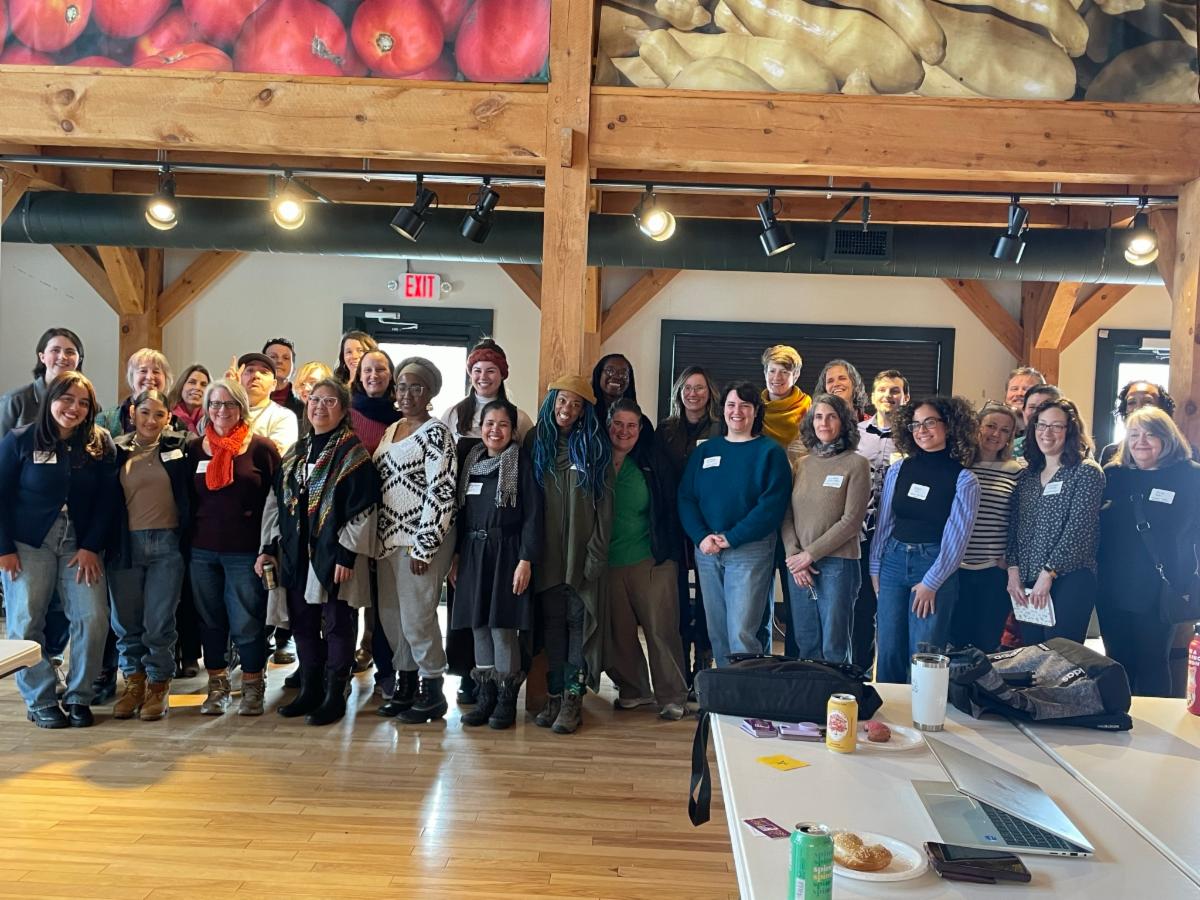
The Local Food Policy Councils Network – Leaders from the state’s local food policy councils convened in person for a Local Food Policy Council Summit in February. We reflected on the role and work of LFPC’s in 2025, brainstormed partnerships to support food system change work, and explored storytelling approaches for education and advocacy. The network meets monthly. If you are interested in joining or starting an LFPC in your community, reach out to Emily Fidanza to get involved with the network.
The Food Waste Reduction Network met in January for small group networking and food waste reduction work updates. Members were thinking about school food waste diversion, residential food scrap collection, new food rescue routes, and more. In March, we will be discussing and providing feedback on the proposed expansion of the state food waste disposal ban.
To sign up for the listserv for any of these networks to receive further updates, please request to join at the following links or reach out to Emily Fidanza.
The Agricultural Advocacy Coalition will meet next on March 19 at 1pm to continue to discuss the FARM bill, capital budget and the environmental bond bill. NEFNE Local Food Count
The New England Local Food Count measures local food consumption in Massachusetts (and New England!). An estimated 90% of the food we eat is imported from outside the region. This puts Massachusetts in a vulnerable position, reliant on distant food producers and suppliers to feed our residents.
Massachusetts’ food security goals is to strengthen local food production and distribution to be better prepared for future supply chain disruptions and is working towards a goal of 30% regional food consumption by 2030 or “30 by 30”. The 2025 Local Food Count survey is now open through April 30th. It is a brief survey that will ask for local food purchases and aggregate sales. All responses are anonymous and aggregated by the research team. MDAR and other government entities will not have access to individual responses.
Want to be counted but have questions? Reach out to Morgan.
Celebrate
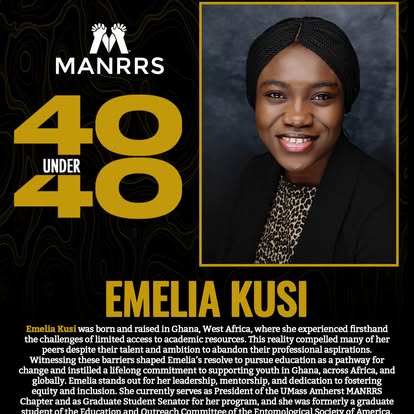
MANRRS 40 under 40 recognizes UMass leader
Emelia Kusi is the UMass Amherst MANRRS (Minorities in Agriculture, Natural Resources, and Related Sciences) President and PhD candidate in Organismic and Evolutionary Biology, where she investigates how plant species and traits influence disease transmission among pollinators, and the impact of climate change and land use on species rarity. Emelia was recognized by national MANRRS as a member of the first 40 under 40 class, in honor of the organization’s 40th year of work! Congratulations Emelia! The Collaborative is proud to partner with UMASS Amherst MANRRS to host an intern that is a member of MANRRS each semester.
Interested in being featured in our monthly newsletter? Please fill out this form! Discover
Farmer tax credit proposal gains attention
A recent article in the Greenfield Recorder covered the proposed farmer tax credit, and interviewed several local farmers on how this policy could benefit them. “At Clarkdale Fruit Farms, more than 10,000 apples end up at food banks and pantries each year, according to Clark. Most years, the farm grows more apples than the business needs and sends the excess, along with the “ugly fruit,” sporting blemishes or marks from insects, to local food banks and pantries. He described expanding access to fresh, healthy, local food as a priority at the farm and a responsibility he feels as a farmer.
“We don’t want our food to go to waste and if we have an excess,” Clark said, “we definitely want to see that put to use in the community and go to folks who need it.”
2026 Local Food Policy Council Summit
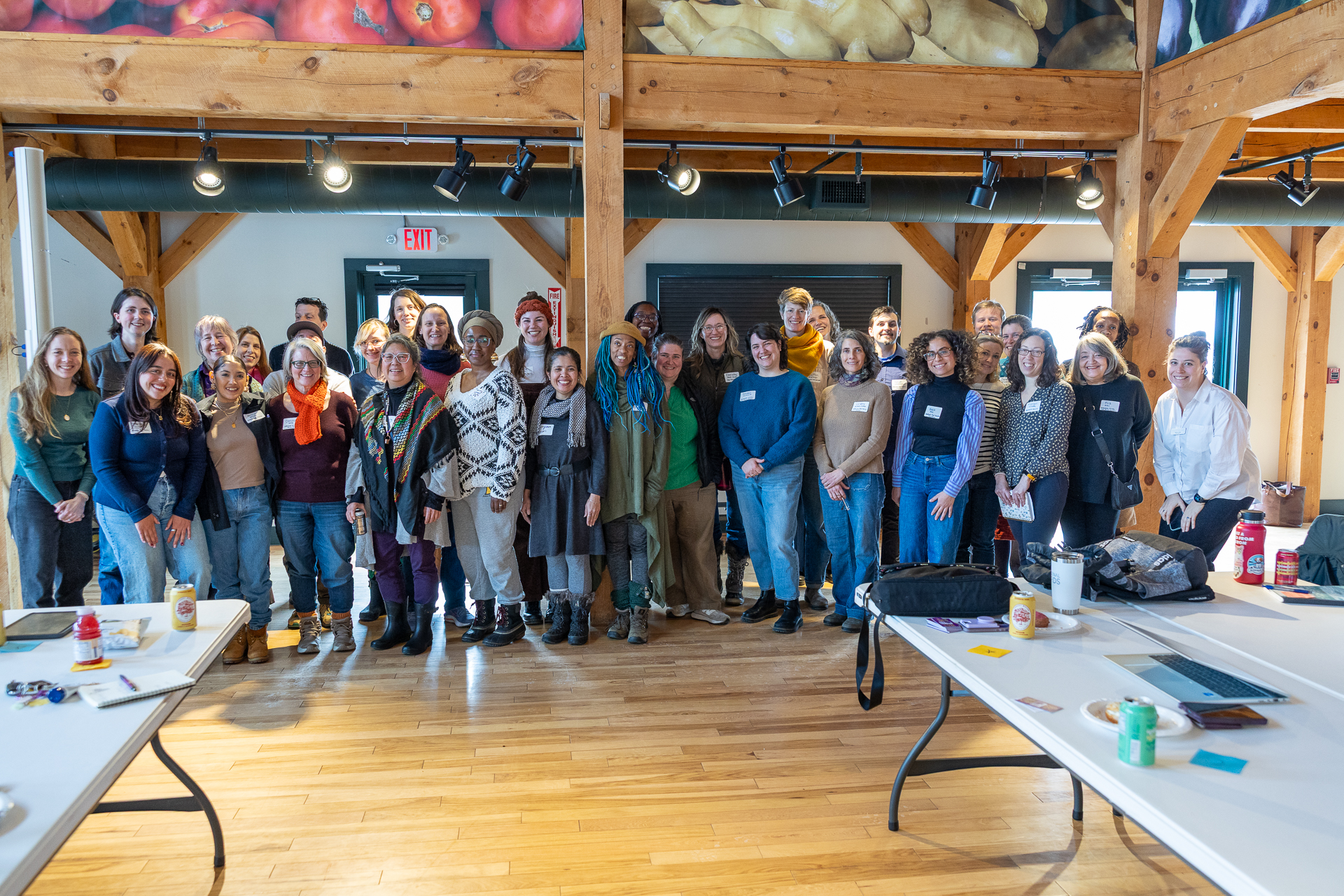
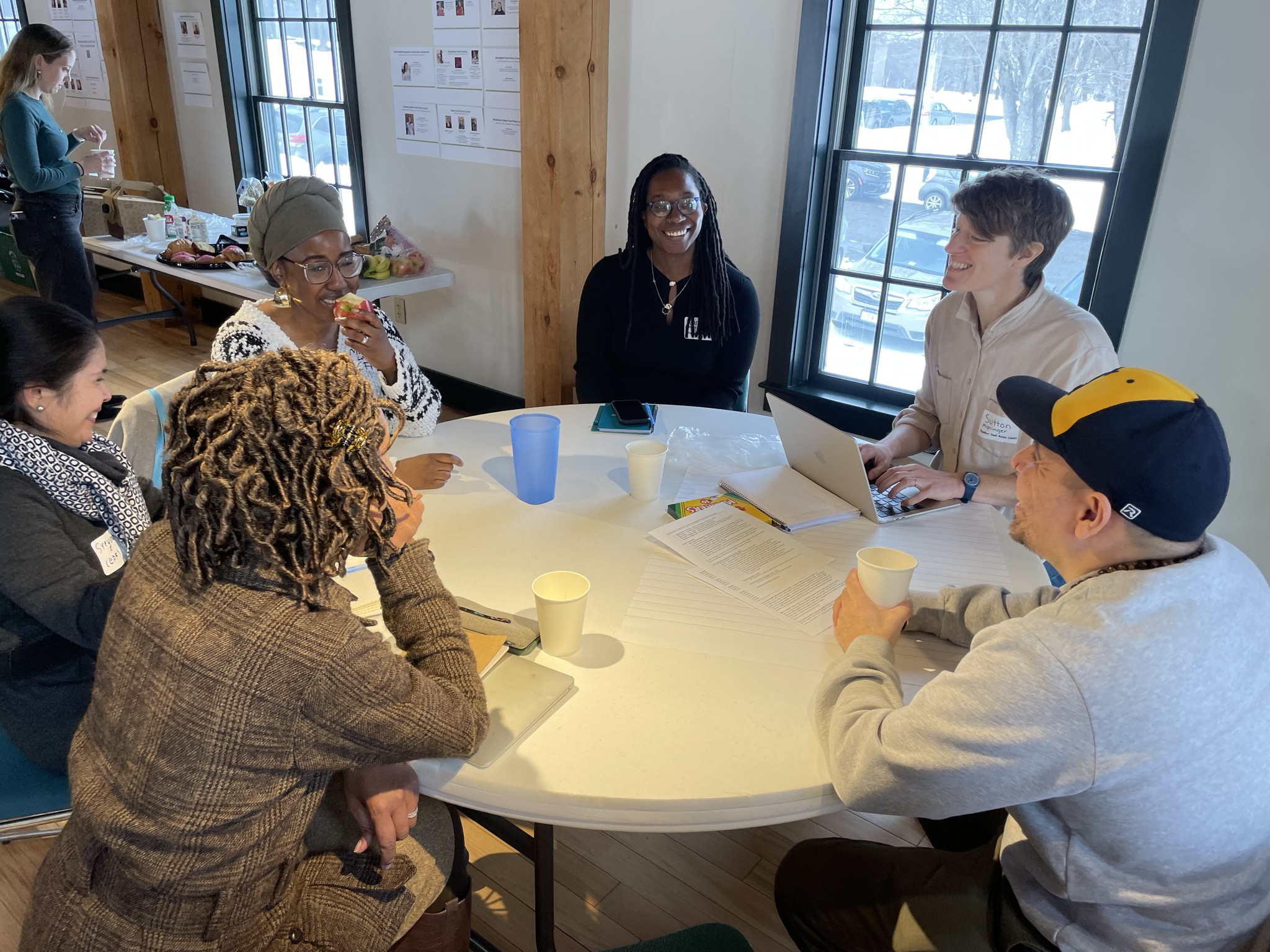
On February 11, 2026, leaders from the Massachusetts Local Food Policy Council Network convened at Community Harvest Project in Grafton, MA for the second annual Local Food Policy Council Summit. Attendees represented 16 active food policy councils and food working groups from around the state. We reflected on the role and work of LFPC’s in 2025, brainstormed partnerships to support food system change work, and explored storytelling approaches for education and advocacy.