A Decade of Collective Action
The Massachusetts Food System Collaborative was established following the state’s acceptance of the Massachusetts Local Food Action Plan in 2015. Over the past decade, our campaigns and collective advocacy have contributed to the passage of significant legislation and state investments of tens of millions of dollars in the local food system.
We could not do this work effectively without you, our partners. Input from our network of partners allows us to aggregate collective interests and power into campaigns. Your belief in a strong, resilient, and just local food system fuels our shared advocacy resulting in policy & systems change.
Food System Leadership
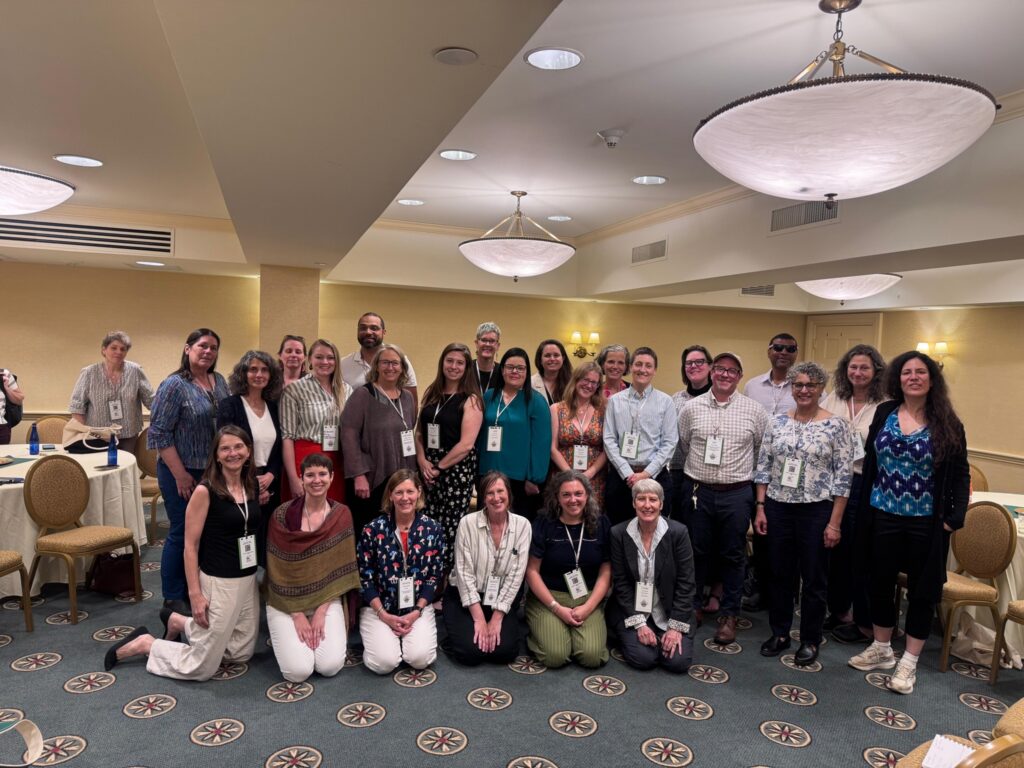
- Over 750 campaign supporters – We work with food system partners and individual advocates across the Commonwealth who help us identify and advocate for our legislative priorities.
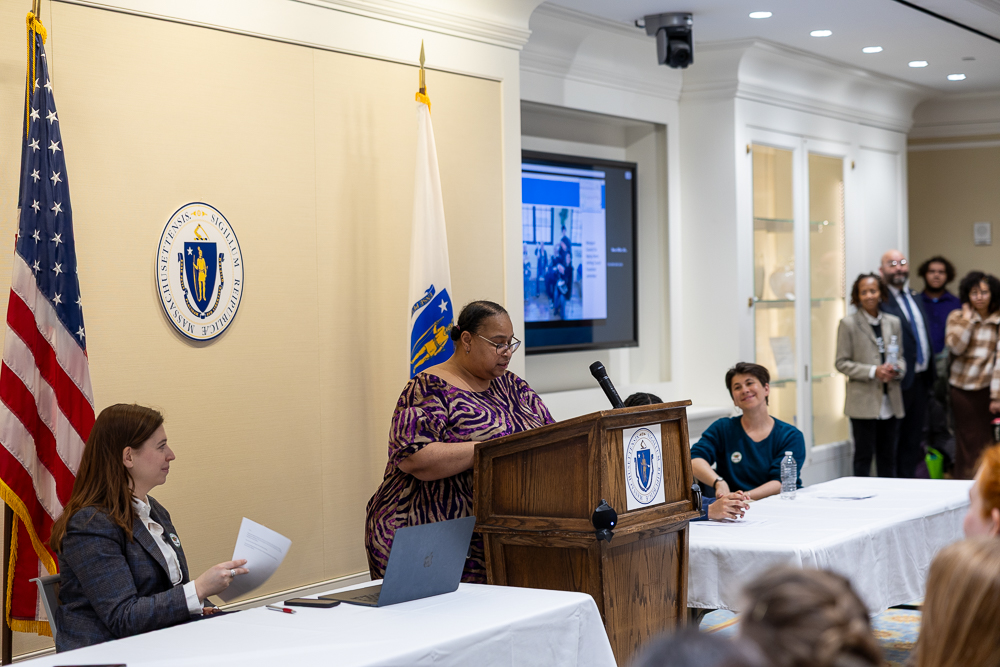
- Widely supported legislative agenda – More than 50 organizations signed on to our 2025-2026 legislative white paper in support of all nine (9) of our legislative priorities. We have also built strong relationships with legislators in both chambers and the Executive branch, garnering consistent support for our policy & budget priorities.
- Cohesive advocacy – Our long running Campaign for the Healthy Incentives Program Funding has achieved consistent messaging among advocates, legislative champions, and state agency partners, recognizing HIP as a “triple win.”
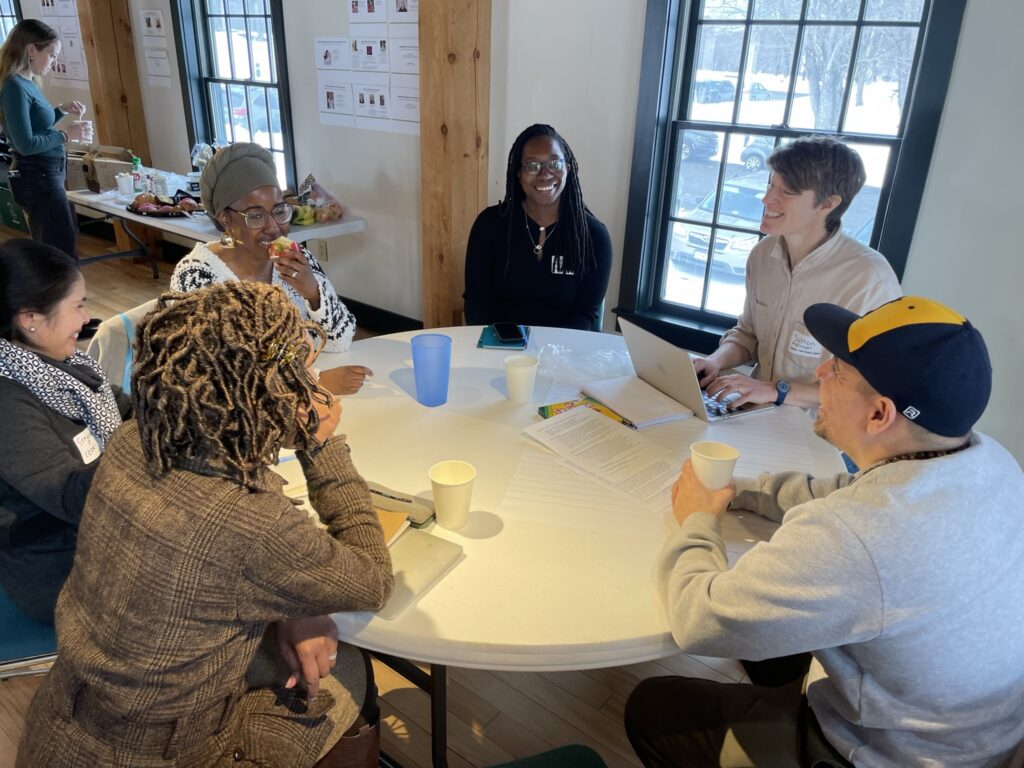
- 500+ Network Members – We convene three networks for partners to share learnings and support each other’s mutual progress.
- Thought leadership – We participate on partner-led coalitions and regional collaborations including the Governor’s Anti-Hunger Task Force, the SNAP Coalition, Make Hunger History, and New England Feeding New England.
- Outreach and action – Our newsletter reaches over 6000 people each month with calls to action, news about the food system and general information for our networks to know and act upon.
Current Activities
8 Legislative Priorities
Each legislative session, we identify a slate of legislative priorities informed by our network of partners. We meet regularly with legislative and executive branch staff to garner their support. We also engage food system partners through our networks and campaigns to advocate for priorities.
3
Campaigns
The Collaborative leads campaigns to advocate for policy & systems change. Campaign supporters receive timely updates about how priorities are moving through the legislative and budget processes. They learn about the policy making process, engage in calls to action, and help inform advocacy strategy.
Policy
Development
We are actively engaging members of our networks and campaigns to develop policy priorities for the 2027-2028 legislative session.
Candidate Education
The Collaborative has shared a briefing paper with legislative candidates. The Collaborative shares this briefing and surveys candidates about their positions on food systems issues. Responses are then posted on our website as a resource for voters.
Recent Advocacy Wins
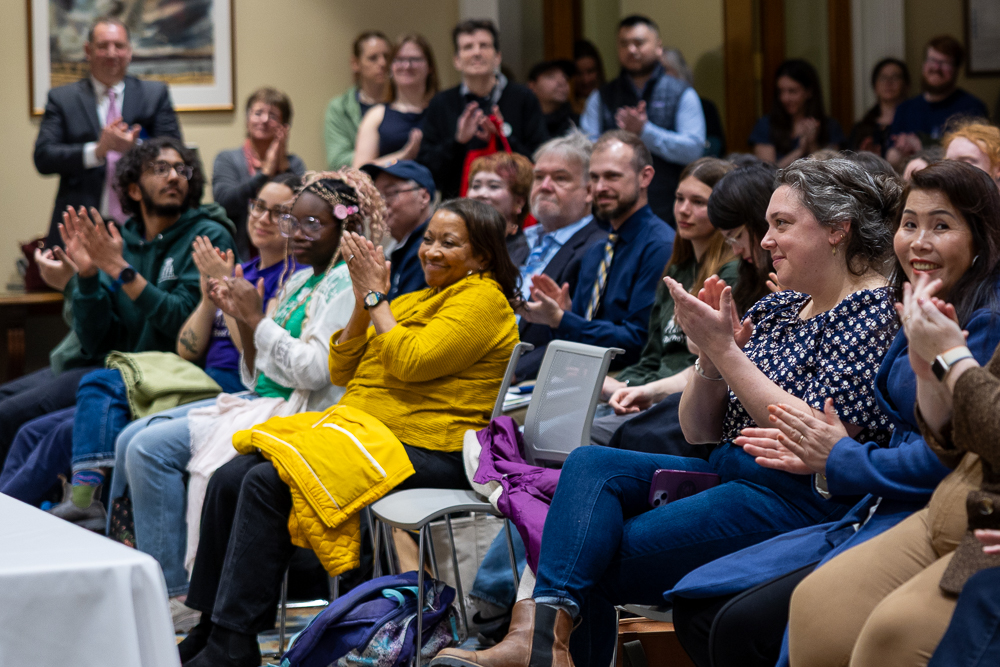
We share calls to action regularly with our audience of more than 5,000. Each Call to Action includes guidance and template language to make it easy for advocates to take action. As a result of our direct and collective advocacy, we have already seen several wins for the food system this year.
Each year, we advocate for a number of priorities to be included in the state budget. In FY27, we influenced $51.75M in investments including for the Healthy Incentives Program, Food Literacy, Local Food Policy Councils, and the Disaster Relief and Resiliency Fund.
The Governor signed into law the Food donation tax credit in early June through a Supp Budget. The tax credit allows any farm business that donates food, meals or crops grown, manufactured, packaged, or prepared by the farm business to a nonprofit food distribution organization a refundable credit equal to the fair market value of the food donated, not to exceed $5,000. The Collaborative has advocated for this piece of legislation with its partners for the last 6 years.
The final FY27 Massachusetts state budget includes $21.5 million for HIP, plus a commitment to carry forward $9 million of unspent funds from FY26 for a total of $30.5 million available in FY27.
Together with over 300 coalition members including farmers, farmers markets, nonprofit agricultural and food system organizations and businesses, faith institutions, healthcare institutions, individuals with lived experience with food insecurity, and more, we have successfully advocated for $111.6 million for the program since 2017. This funding has helped families purchase more than $100 million in fresh, locally grown fruits and vegetables, produced more than $179M in local economic impact, and supported more sustainable farms.
Food literacy was included in the final FY27 state budget!
The $1M investment supports FRESH grants ($750,000), the School Wellness Coaching Program ($150,000), and the development of curricula and resources by DESE ($100,000).
The campaign has successfully advocated for food literacy funding annually since FY24. These state investments have helped DESE and partners to: reach 18 early education programs and 177 school districts (~40% of all Local Education Agencies) with food literacy state funding and resources. This includes over 500 additional hours of food literacy professional development for educators, 66 school districts receiving school wellnes coaching, and 84 FRESH Grants awarded.
The Final FY27 Massachusetts state budget included $250,000 to continue the Local Food Policy Council Grant Program, administered by MDAR.
Now in its third round, the grant has supported existing and emerging food policy councils to conduct a range of activities including organizational development, strategic planning, community food assessments and action plans, training and capacity building, expanded community engagement, conduct public awareness campaigns, and more.
The FARM Omnibus bill includes; codifying FSIG in law, protecting the whole farm in the APR program, including the food system in emergency planning, defining agritourism, establishes a Next Generation Farmer Fund, establishes a Vacant Lots to Urban Agriculture Fund, creating an agricultural land registry, creating a study on state safety net programs available to farmers and farm workers, reviewing the amount of renewable energy allowed to be generated on farms every 10 years, and more. Many of the Collaborative’s legislative priorities are contained within this bill. Right now, the bill at House Ways and Means; the Collaborative and its partners have asked the Committee to move it out of Committee to the floor for debate before the end of formal session.
Network Highlights
The Food Waste Network has been meeting consistently for several years, uniting partners across food recovery, gleaning, composting, waste management, and more.
- In 2025, we hosted a virtual conversation featuring several gleaning programs and organizations in Massachusetts. During the meeting, the gleaners decided to host a regional gathering, eventually helping catalyze a Northeast Gleaners Network.
- Network members have also started referencing our Network Map which highlights how food waste organizations work together, and there continues to be new connections made at each network meeting.
The Local Food Policy Council network began convening in 2018. It’s grown to more than 20 active council and coalition participants. Together with the network we have:
- Hosted 2 annual Local Food Policy Council Summits
- Held several skill shares around conducting Community Food Assessments, strengthening execution of local food assessmnets.
- Secured grant funding to support storytelling, community engagement, and coordinated policy advocacy.
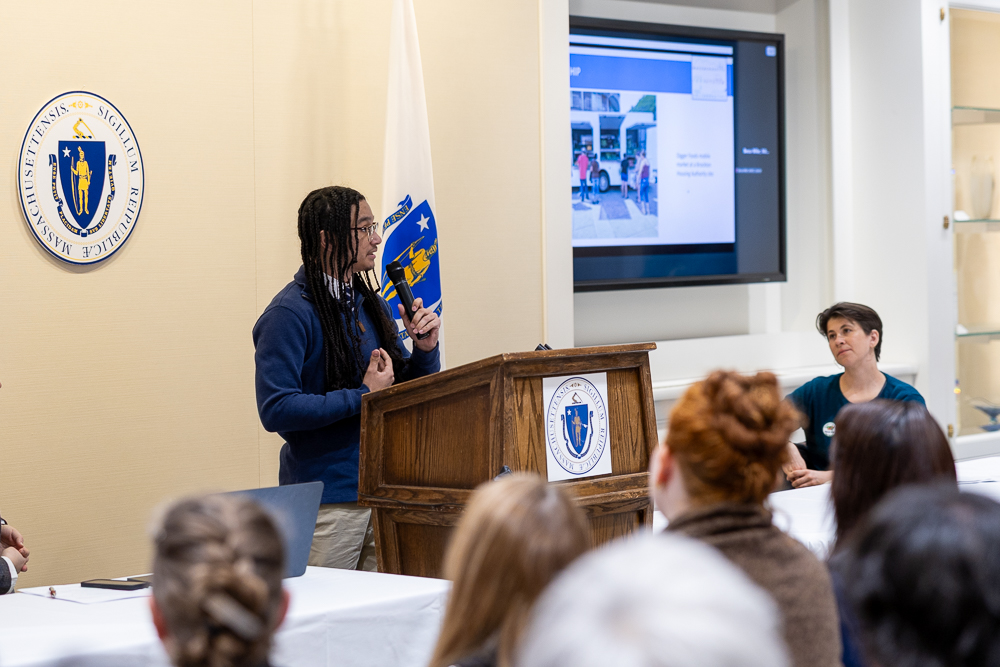
The Urban Agriculture Network has been convening since 2020, after being established during the COVID-19 pandemic to provide space for peer support and exchanging of ideas.
Members of the Urban Agriculture network reiterated interest this Spring in seeing each other and their urban agriculture sites in person. We are currently running a series of site visits from July – September 2026 featuring urban and peri-urban farms, community gardens, freight farms, food forests and more. See photos and highlights from the site visits here.
Recent Publications
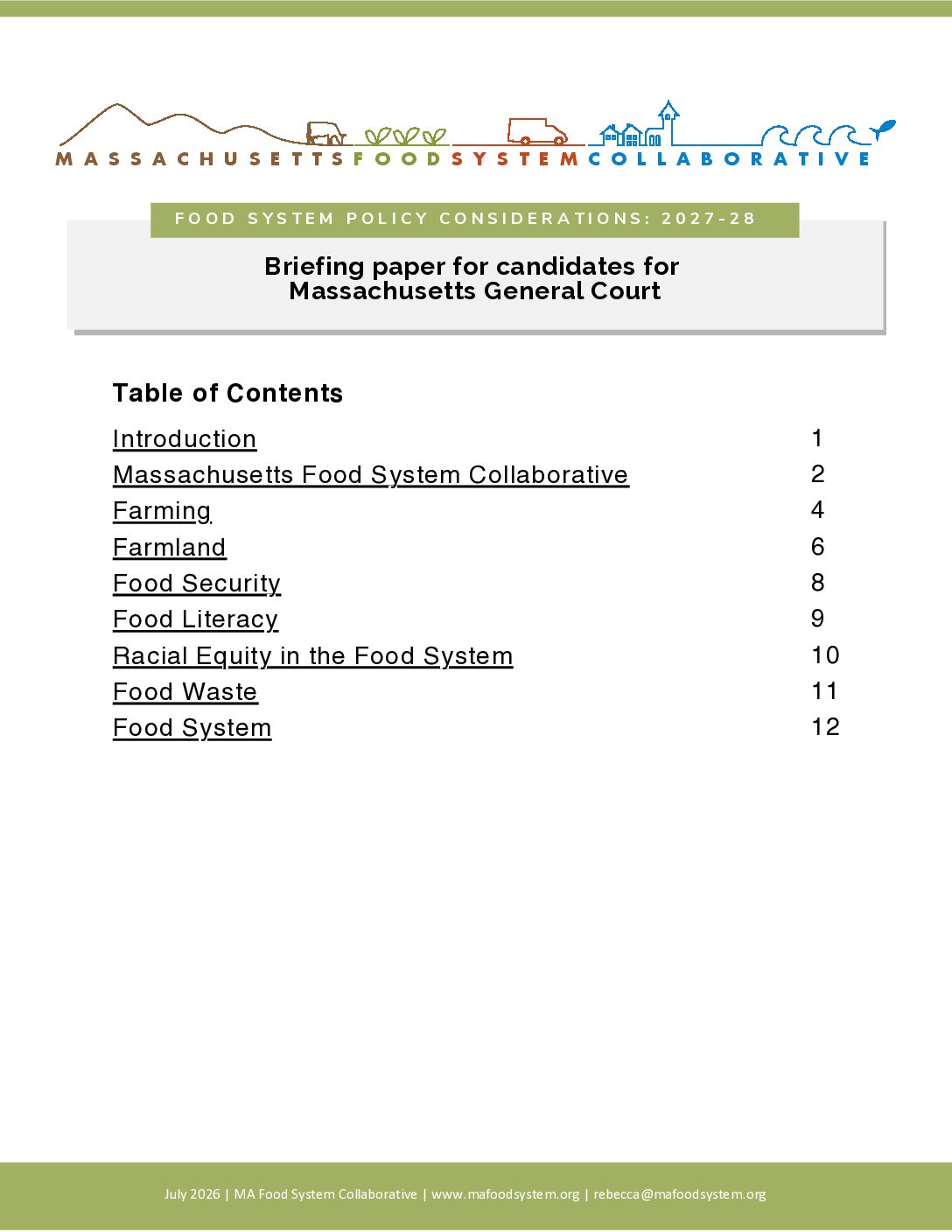
Food System Policy Considerations 2027-28: Briefing Paper for Candidates for Massachusetts General Court
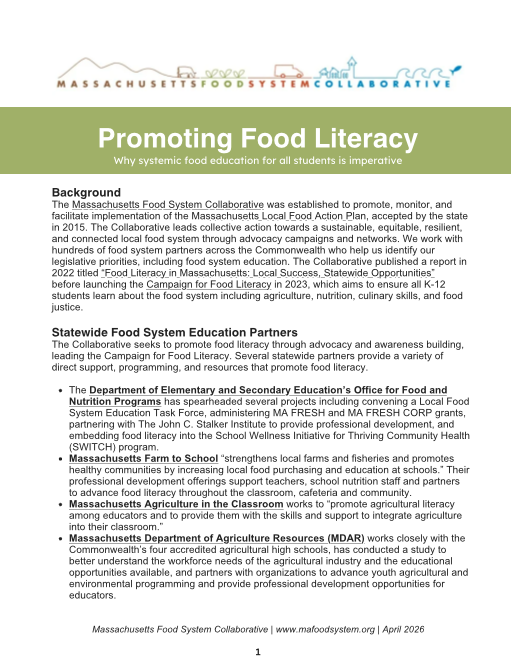
Promoting Food Literacy: Why systemic food education for all students is imperative
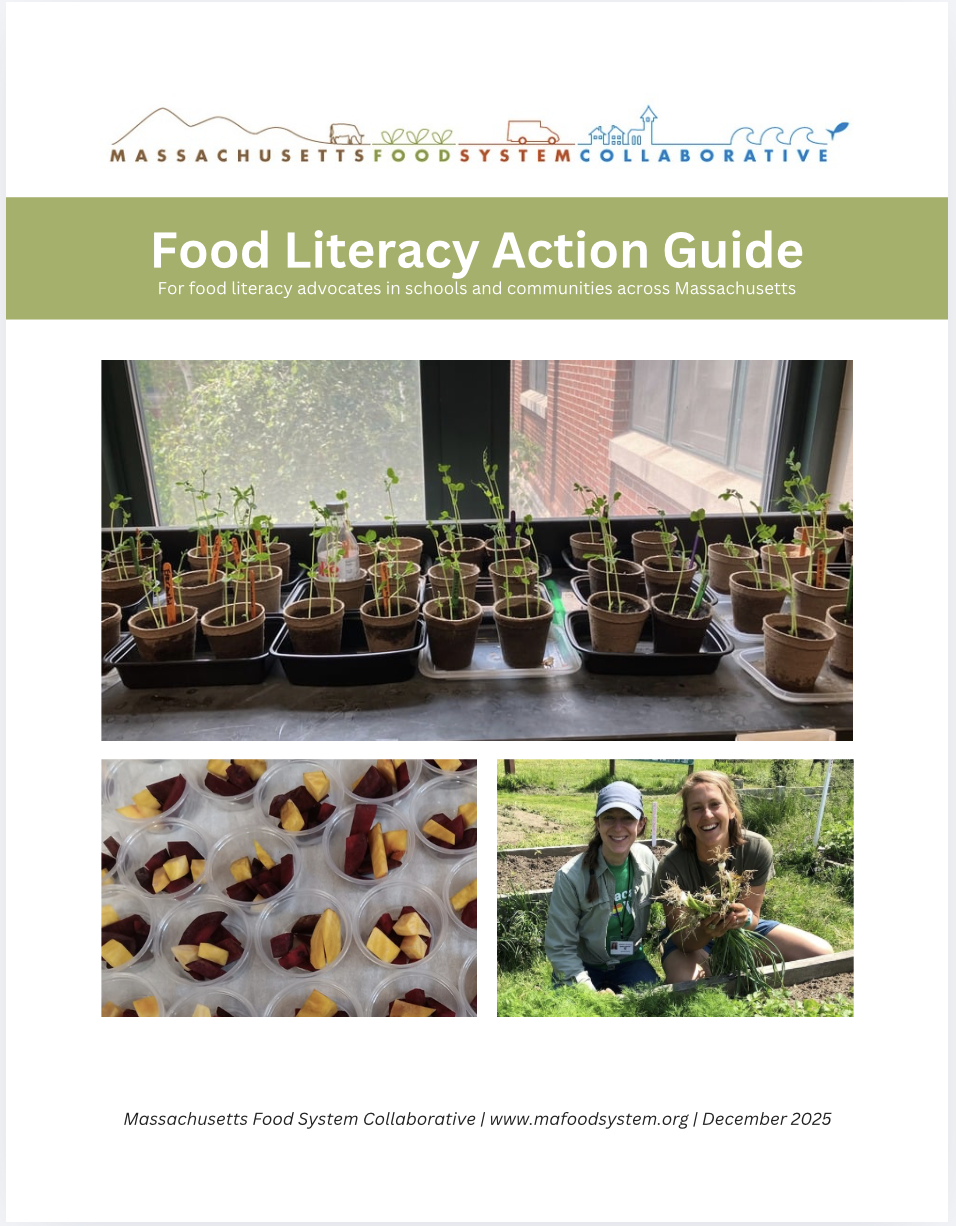
Action Guide: For food literacy advocates in schools and communities across Massachusetts
Annual Reports
Thank You to the funders who support the Massachusetts Food System Collaborative
We are thankful for our current and past funders. The Collaborative is fiscally sponsored by Third Sector New England, Inc. (TSNE)